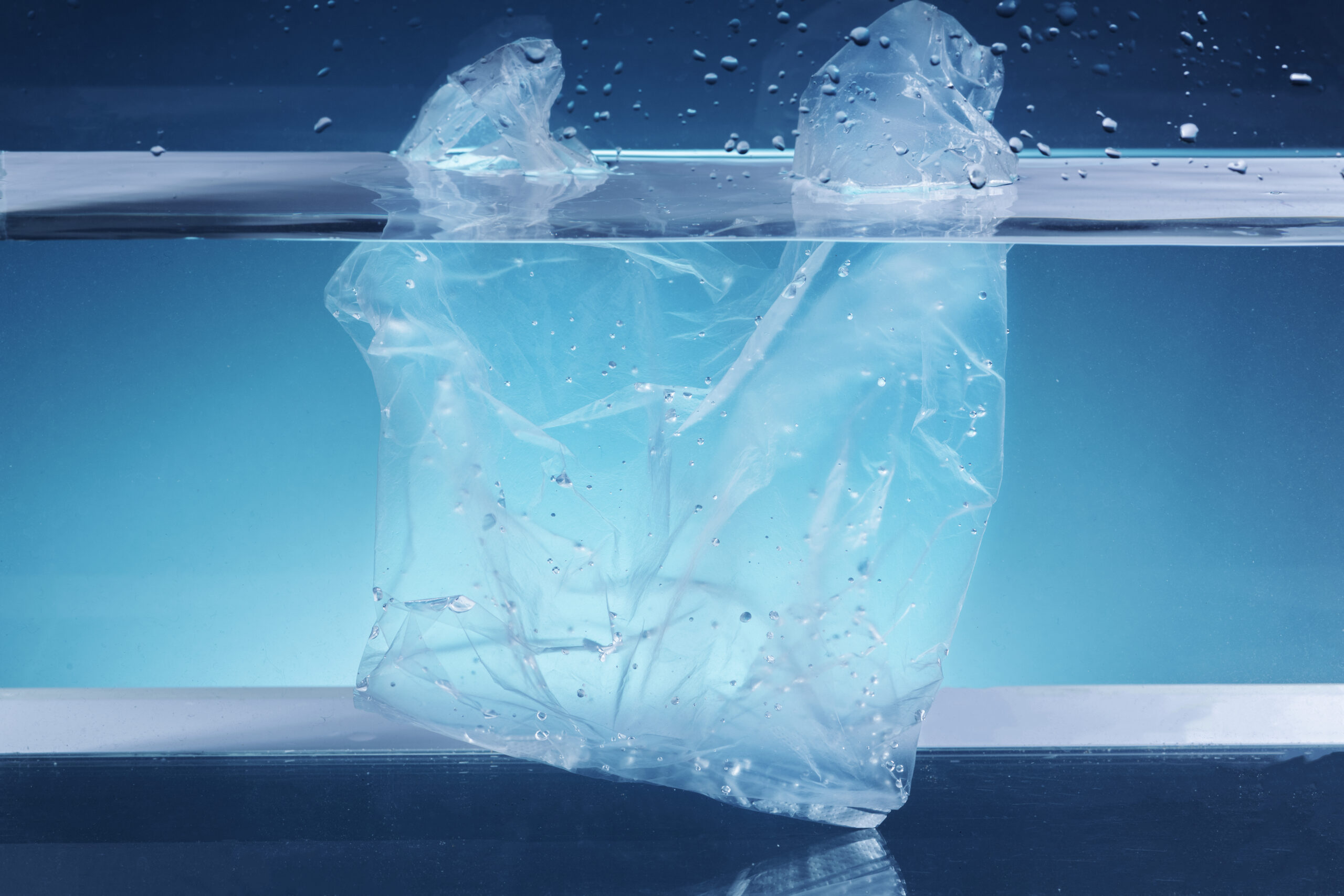
Ocean plastic pollution is a global problem that has serious consequences for marine wildlife and biodiversity, e.g. through entanglement, toxicity from hazardous substances and ingestion of plastic.
This greatly affects the local ecosystems in the South Baltic Sea. Plastic and residual waste that reaches the South Baltic Sea originates from both land- and sea-based sources and breaks down over time into microscopic plastic particles.
80% of the plastic waste that ends up in the ocean originates from land-based sources, including urban areas. The waste primarily reaches the sea via waterways connected to urban maritime environments such as rivers, canals and harbours.
To prevent more (plastic) waste from ending up in this vulnerable ecosystem, there is an urgent need to create awareness and incentives to prevent it.
The purpose of the project
With the Interreg project Circular Ocean-Bound Plastic (COP), the focus was on identifying problems and opportunities for the collection, recycling and/or reuse of seabed (plastic) waste. These efforts were supported through collaborations by identifying blue and green SMEs within the region that either identified and/or co-created innovative collection methods for land- and sea-based streams of plastic waste.
Financing
The project was financed by Interreg South Baltic with funds from the European Regional Development Fund. Read more about Interreg here
Clean was responsible for the project and the project ran for 3 years.
COP project results
The COP project has now come to an end – bringing together three years of knowledge, collaboration and practical testing across the South Baltic region.
Based on research and field testing across Aarhus, Gdańsk and Rostock, the project has developed a methodology covering the full value chain – from identifying litter hotspots and monitoring waterways to collection, sorting, cleaning, material assessment and routes for reuse or recycling.
Rather than prescribing a single technology, the report provides an evidence-based decision framework that can be adapted to different cities, waterways and local conditions. One of the key lessons from COP is that collection alone is not enough – understanding where litter comes from and assessing the quality of recovered materials are essential to turn ocean-bound plastic from waste into a potential resource.
Read the final publication and discover the results from COP here.