Hydrogen sulfide is a growing challenge in sewer systems. The substance can form when wastewater is transported over longer distances as a result of centralisation, while water-saving measures also change conditions within the system. This can lead to odour nuisance and corrosion damage, creating both operational and financial challenges for wastewater utilities.
The DosaOptima project investigates how hydrogen sulfide can be managed more precisely while reducing the use of chemicals. The solution combines sensors, algorithms and chemical dosing in a plug-and-play unit designed to adjust dosing in real time. The aim is to reduce both chemical consumption and operating costs.
From measurements to intelligent dosing
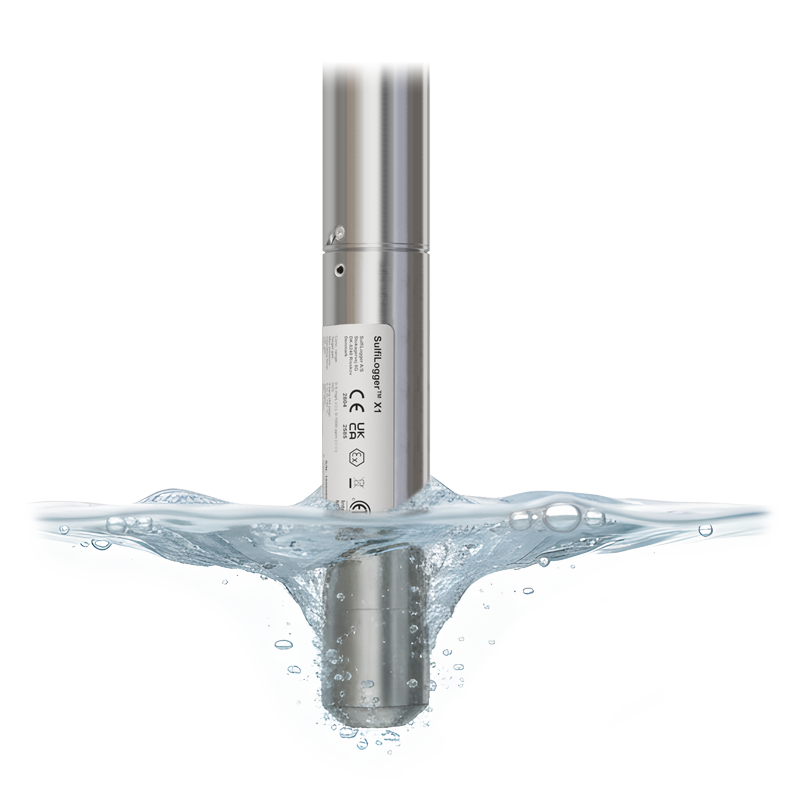
Measurements in the sewer network are currently underway. Sensors from the sensor company SulfiLogger have been installed and are collecting data from the gas phase.
The prototypes will be tested both in a living lab at Klimatorium in Lemvig and through field tests at Danish wastewater utilities. The experience gained from the tests will be used to develop general guidelines for more efficient hydrogen sulfide management.
The collaboration behind DosaOptima
The DosaOptima project is being developed through a collaboration between the utility company Lemvig Vand, Aalborg University and the sensor company SulfiLogger. Lemvig Vand is the project owner. Aalborg University participates as the university partner in the development work, while SulfiLogger contributes sensor technology, installation and calibration.
Aalborg Forsyning and Herning Vand are participating utilities facing challenges related to hydrogen sulfide in their sewer networks.
CLEAN is the operator of the overall innovation initiative and is responsible for project administration as well as financial and technical reporting.
Part of a larger water technology initiative
DosaOptima is part of a larger innovation initiative in Central Denmark, where water technology companies, knowledge institutions, utilities and industrial stakeholders develop and test new solutions for the water sector. The initiative is called Water Valley Innovation and forms part of Denmark’s Business Lighthouse for Water Technology. It builds on the collaboration around Water Valley Denmark in Aarhus and Klimatorium in Lemvig.
Read more about the Water Valley Innovation project here.
Funding
The project is co-funded by the European Union through the European Regional Development Fund and the Danish Board of Business Development as part of Virksomhedsudvikling Danmark.