The article was originally prepared by Erhvervsfyrtårn for Vandteknologi / Water Valley Innovation and is reproduced here with source attribution. Clean is a partner in the project.
Shallow groundwater: From challenge to business opportunity for SMEs and startups
Shallow groundwater puts pressure on utilities and agriculture – but also holds potential for green innovation. With new legislation and technical water, a market is emerging for companies with the right solutions.
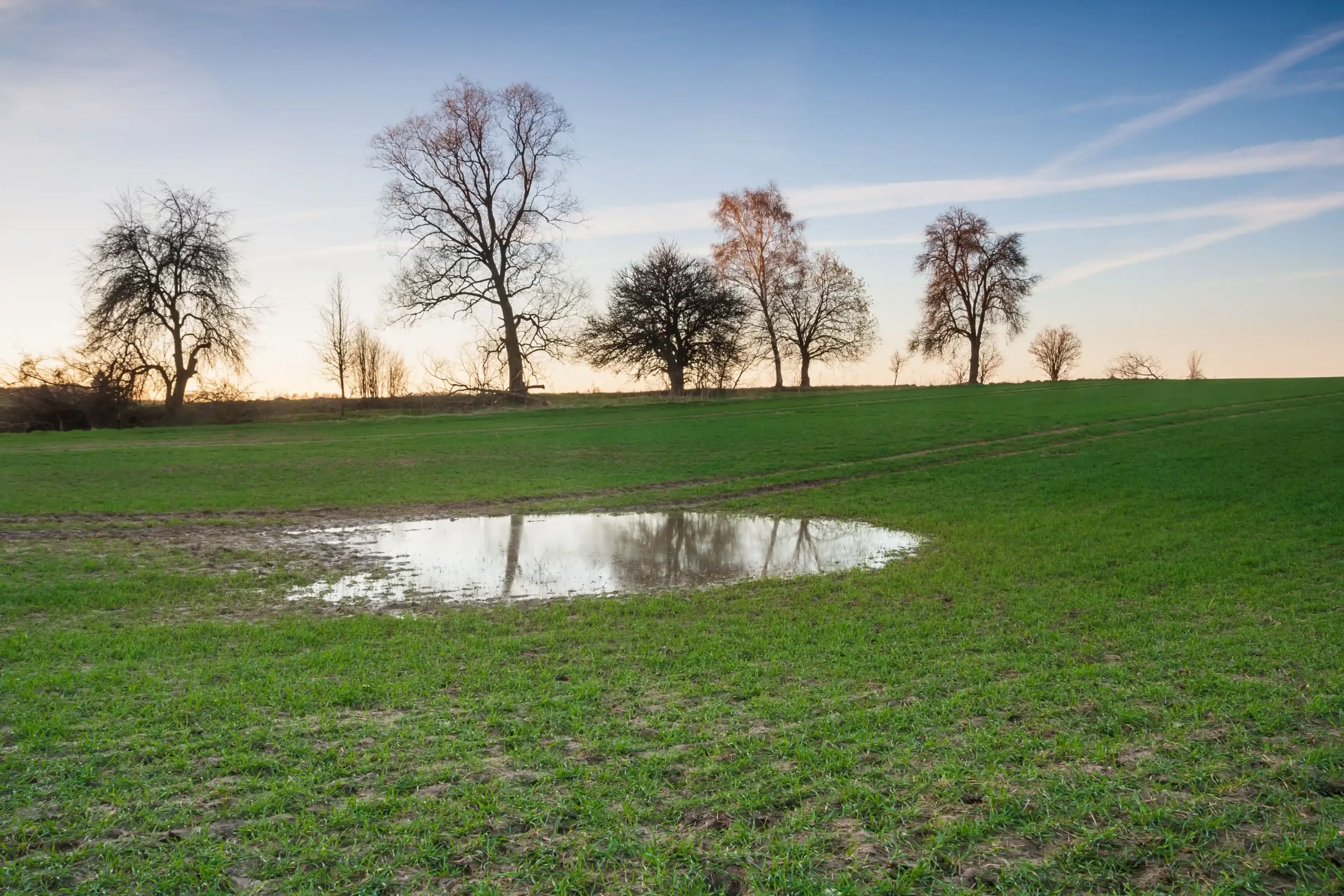
Rising shallow groundwater is a growing challenge across Denmark.
Since 1988, the groundwater level has risen by more than one meter – and in areas like Lemvig it is now less than half a meter below the surface year-round. This creates major problems for both utilities and agriculture, but at the same time holds significant potential for new solutions and green innovation.
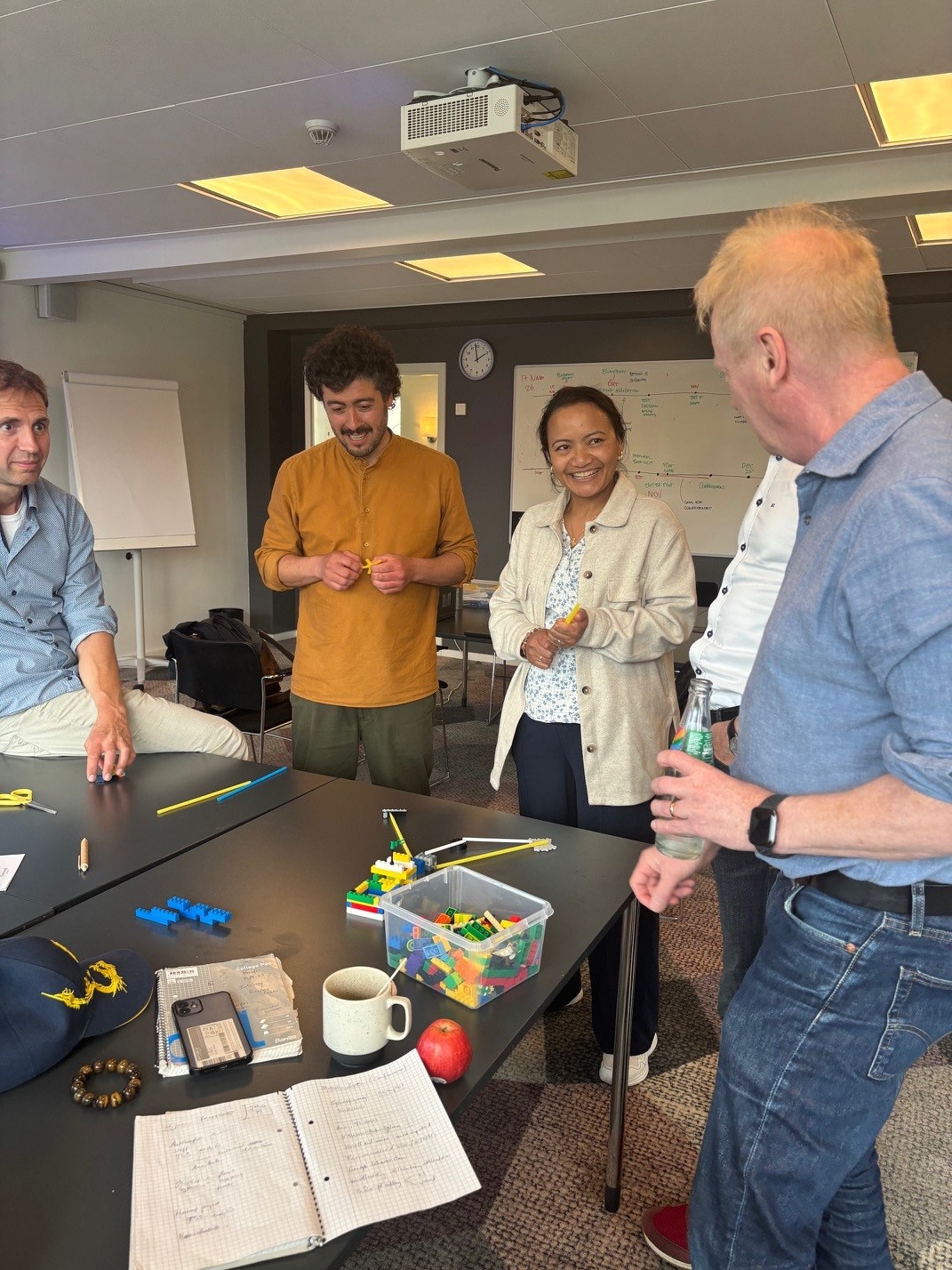
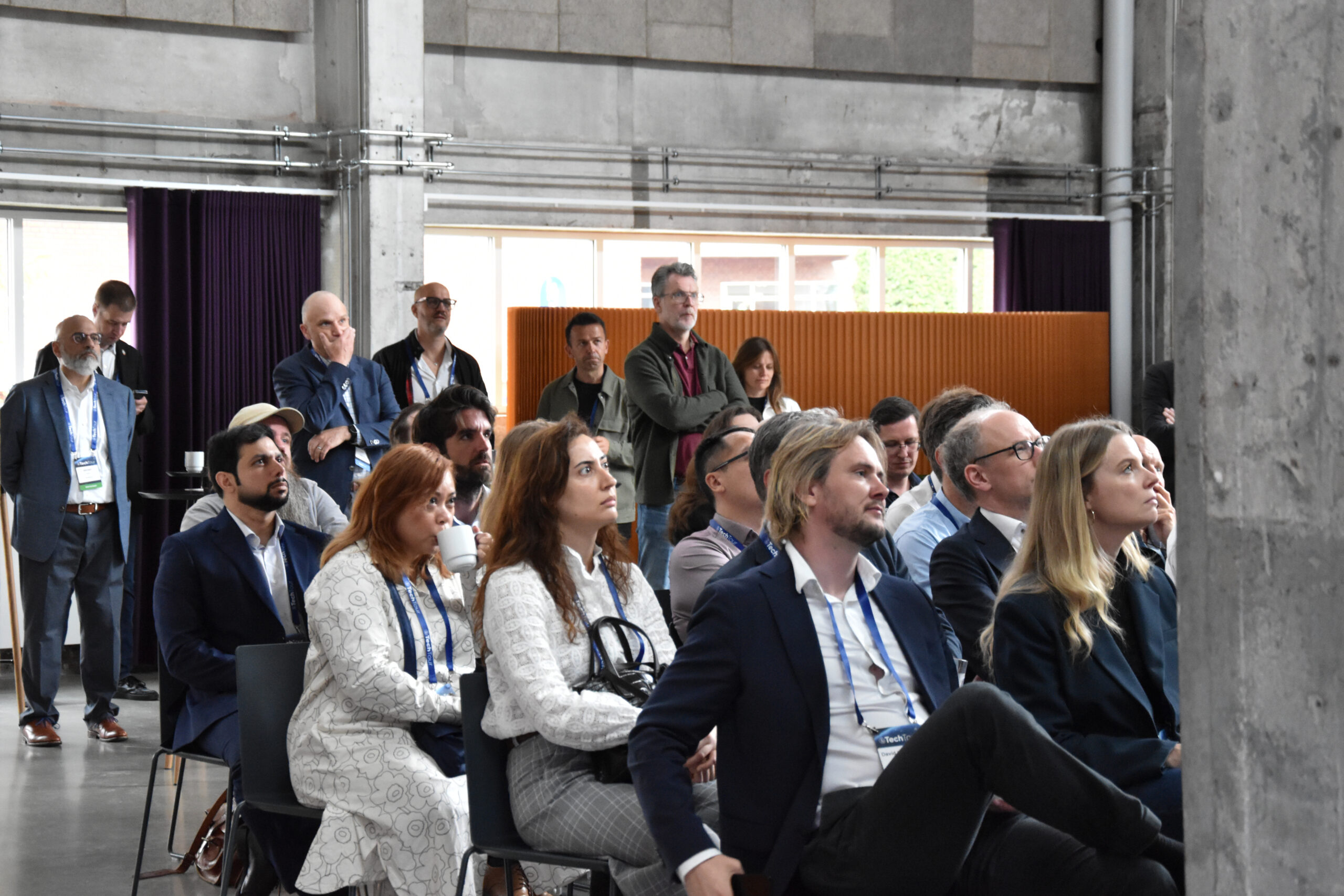
This is how Lars Holmegaard, CEO of Klimatorium, opened his presentation at the kickoff event for the Water Valley Innovation programme on Hazardous Pollutants in Water, held on 10 September 2025 at the Danish Technological Institute.
A challenge with high potential
For water utilities, rising groundwater means that treatment plants are receiving increasing volumes of water – often clean water that does not belong there. At the same time, agriculture faces major financial losses when fields are flooded, and there is a risk of contamination of both surface water and groundwater.
“We shouldn’t just expand treatment plants to treat clean water. We need to think completely differently,” says Lars Holmegaard, CEO of Klimatorium.
But this is precisely where new business opportunities arise. As Lars Holmegaard points out, if we view shallow groundwater as a resource rather than a problem, a whole new market opens up for Danish companies.
Technical water – an emerging market
With the new legislation on technical water, which came into force in July, a legal framework has been established to use shallow groundwater for industrial purposes – for example in Power-to-X production. This means Denmark can move away from using drinking water in industry and instead make use of more sustainable water sources.
For SMEs, this opens the door to developing and supplying solutions within:
- Sensor and data technology for monitoring groundwater and infrastructure
- Filtration and purification technologies aimed at technical water and micro-pollutants such as PFAS and microplastics
- Nature-based solutions that combine climate adaptation, purification, and recreational value
- Circular use of materials, e.g. recycling plastics in water infrastructure
Living Labs as a development platform
Klimatorium, in collaboration with Lemvig Vand, has established a living lab where shallow groundwater is used as the basis for testing and development. Here, work includes digitalisation and satellite data from ESA’s Copernicus programme, enabling measurement of land movement with millimetre precision.
The goal is to create an open innovation environment where companies can test new technologies in practice – from sensors to filter materials and nature-based solutions. More than 150 companies are already involved.
From knowledge to value
According to Lars Holmegaard, the next step is to connect knowledge, data, and industry even more closely. He emphasises the importance of acting on the knowledge we already have, so that challenges can be prevented before water reaches treatment plants – benefiting both the environment and businesses.
“There is actually a lot of business in this – sensors, calculations, infrastructure. It’s just a matter of getting it started,” says Lars Holmegaard, CEO of Klimatorium.
Shallow groundwater is therefore not only a climate adaptation challenge – it is a new business opportunity. For SMEs that can translate technological and nature-based innovation into concrete solutions, a market with global potential awaits.
Background
The article was prepared in connection with the programme Miljøfarlige Forurenende Stoffer i Vand under Water Valley Innovation – an initiative under Erhvervsfyrtårnet for Vandteknologi.
The programme is a collaboration between the Danish Technological Institute, Klimatorium – Denmark’s International Climate Centre, Clean and Water Valley Denmark, and is carried out as part of Erhvervsfyrtårnet for Vandteknologi, supported by the EU and the Danish Board of Business Development.
Original article: “Terrænnært grundvand: Fra udfordring til forretningsmulighed for SMV’er og startups” – published by Erhvervsfyrtårn for Vandteknologi / Water Valley Innovation.