From urban furniture cast from recycled concrete to satellite monitoring of farmland and chip-controlled reusable cups
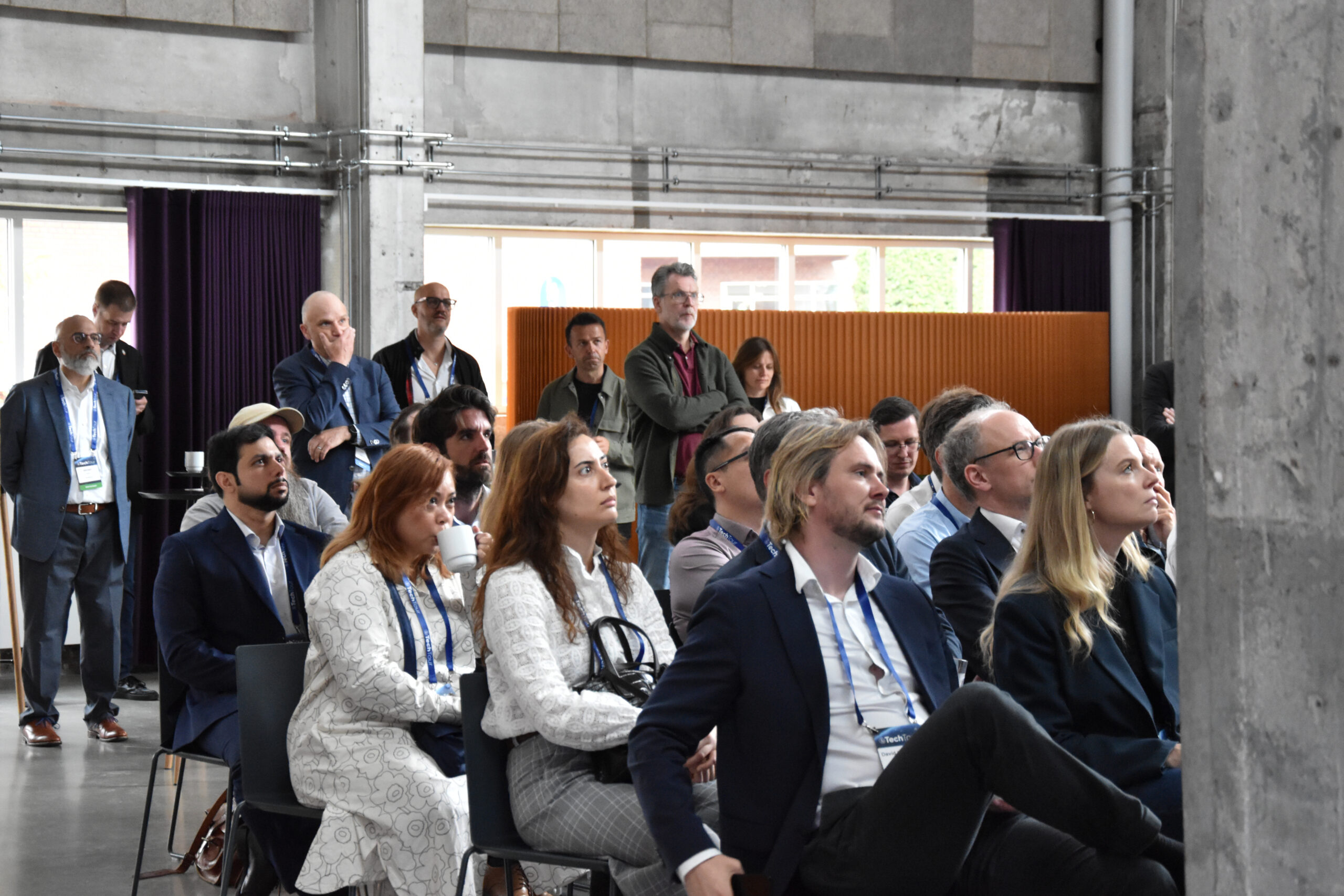
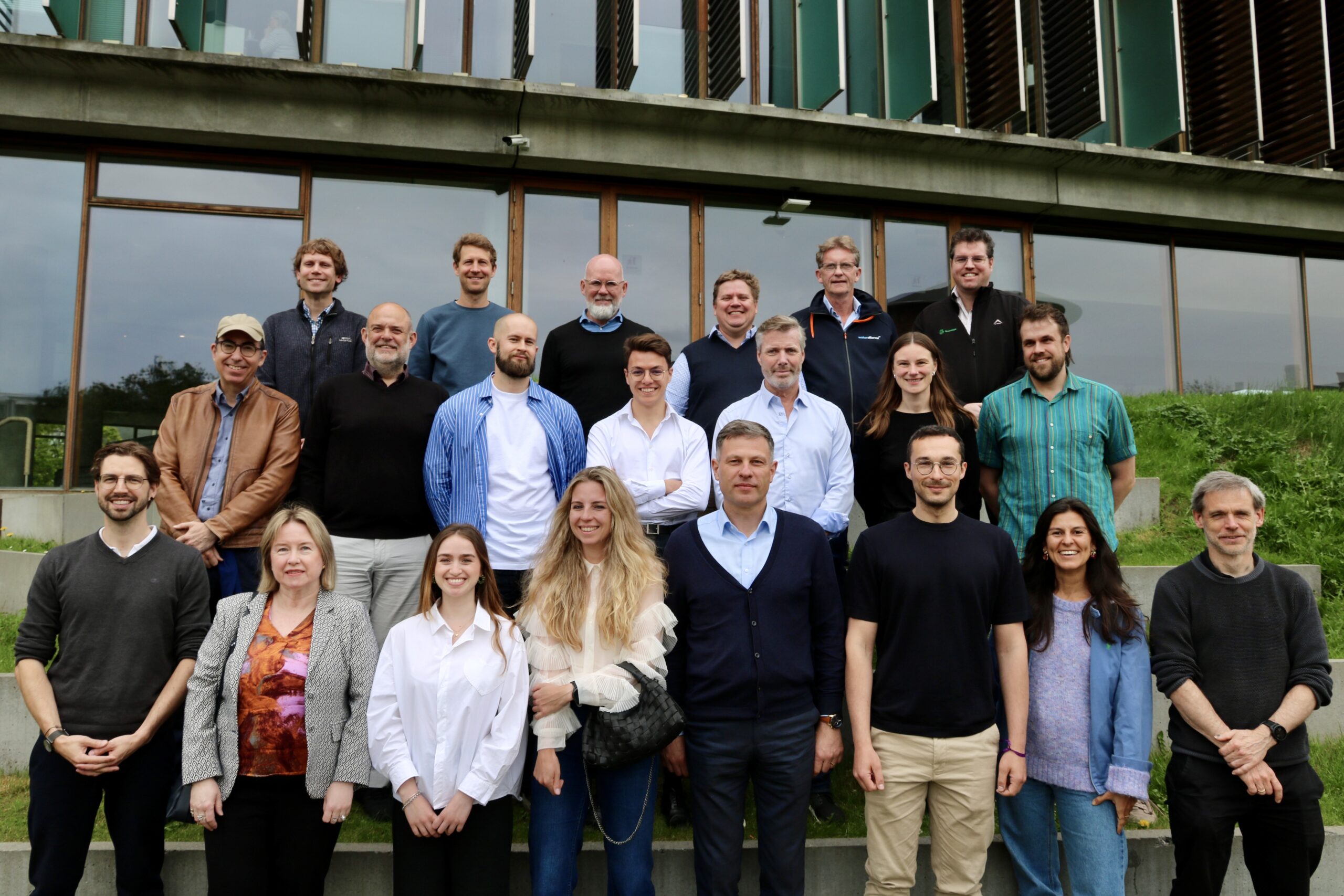
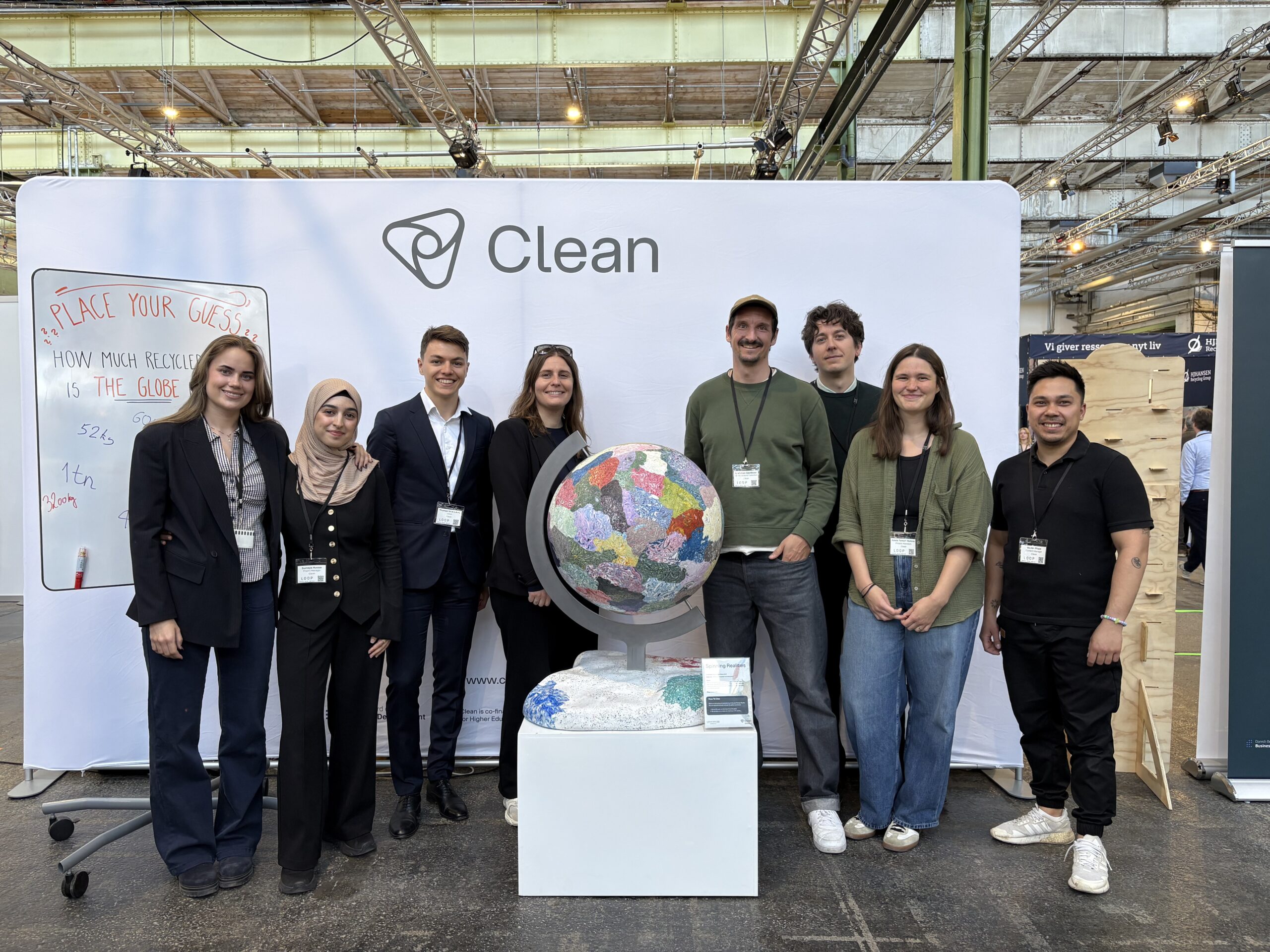
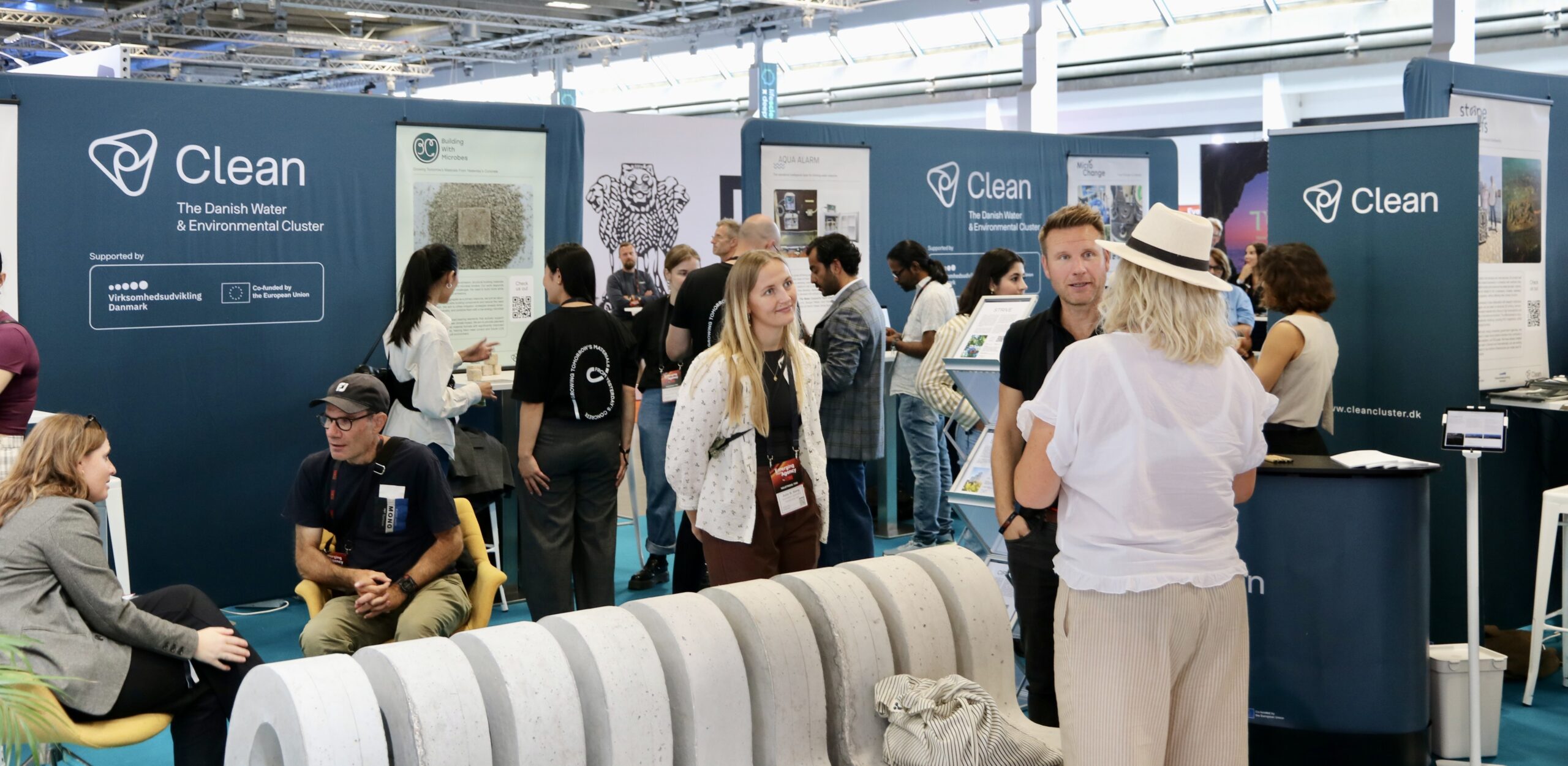
Twenty companies had set up shop at Clean’s shared booth at the Bella Center when Northern Europe’s largest tech trade show, TechBBQ, kicked off in late August.
The fair isn’t just a great showcase for the latest trends in the tech sector. It’s also an ideal place to connect with potential business partners, find inspiration, and exchange experiences.
Made contact with a potential customer
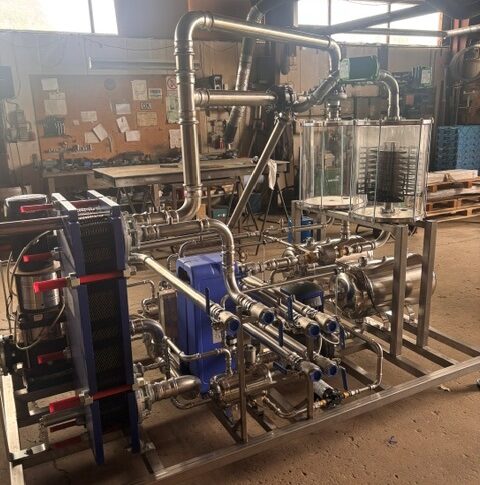
The DTU-based startup CARA Cooling, which develops industrial cooling systems that use water as a coolant and excess heat as an energy source, discovered firsthand how TechBBQ can open doors.
At TechBBQ, CARA made contact with a European energy company.
“They stopped by our booth and asked very directly: ‘How much does it cost, and when can you have the product ready?’” says Jan Laisen, CEO and co-founder of CARA Cooling.
The meeting marked the beginning of a broader dialogue about how the technology can be applied in specific industrial settings.
That dialogue also served as an important springboard for further work. Since then, CARA has developed a simulation model that uses the customer’s own operational data to estimate the potential and tailor the solution to the specific case. This is where CARA stands out—not only through the technology itself, but also through the way it is implemented at the customer’s site.
“This makes it possible to calculate the potential based on the customer’s own operational data, thereby providing a concrete basis for assessing both the capacity of the CARA solution and its business value for the customer,” says Jan, adding:
“The model also makes working on new customer cases more systematic—without having to start from scratch every time. That’s why it’s been valuable for us to participate in TechBBQ through CLEAN. We’ve gained access to conversations and relationships that can otherwise be difficult to establish, and several of them have already provided us with concrete input for new customer cases, a better basis for decision-making, and the further development of our solution.”
Take Your Place in the Circular Economy
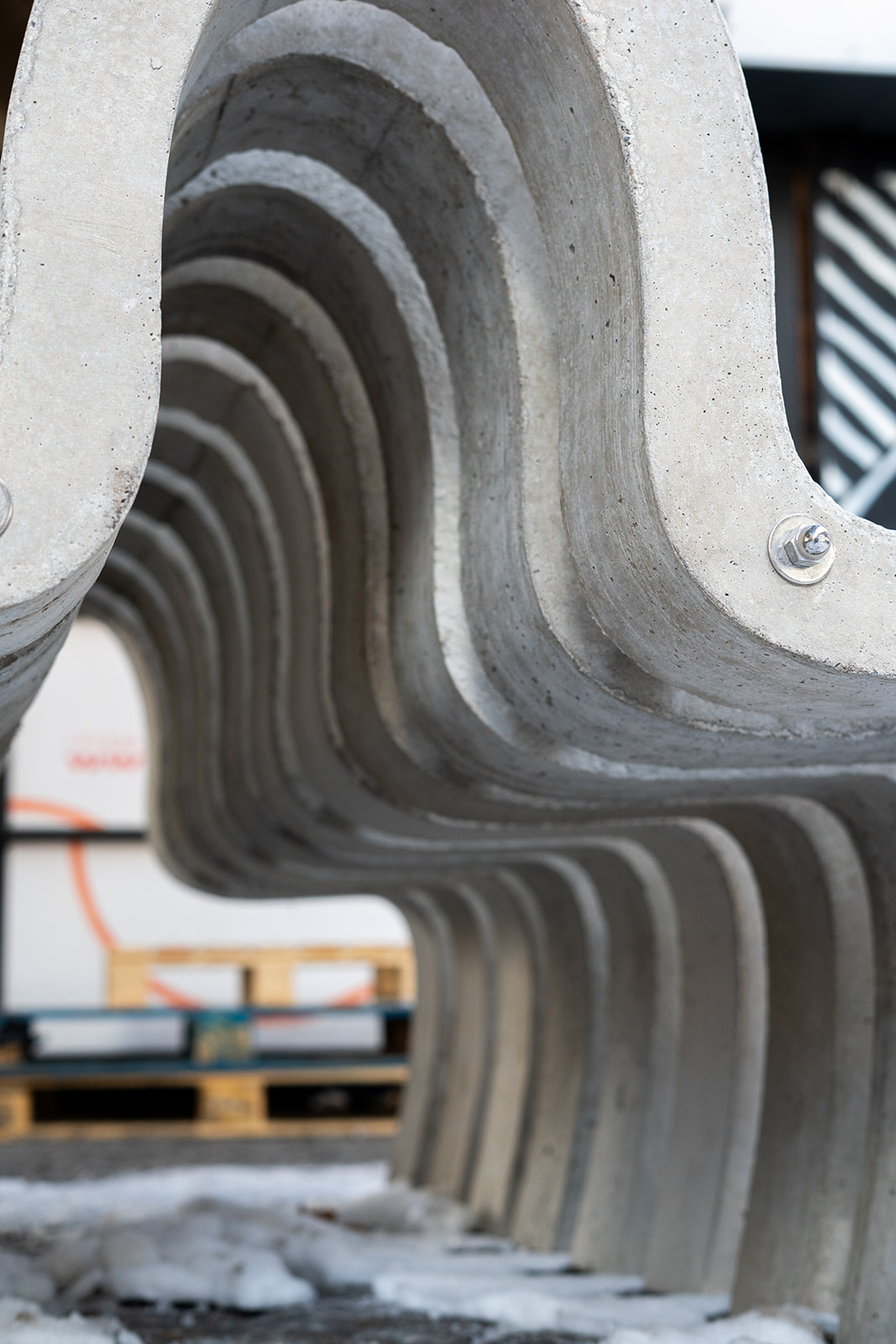
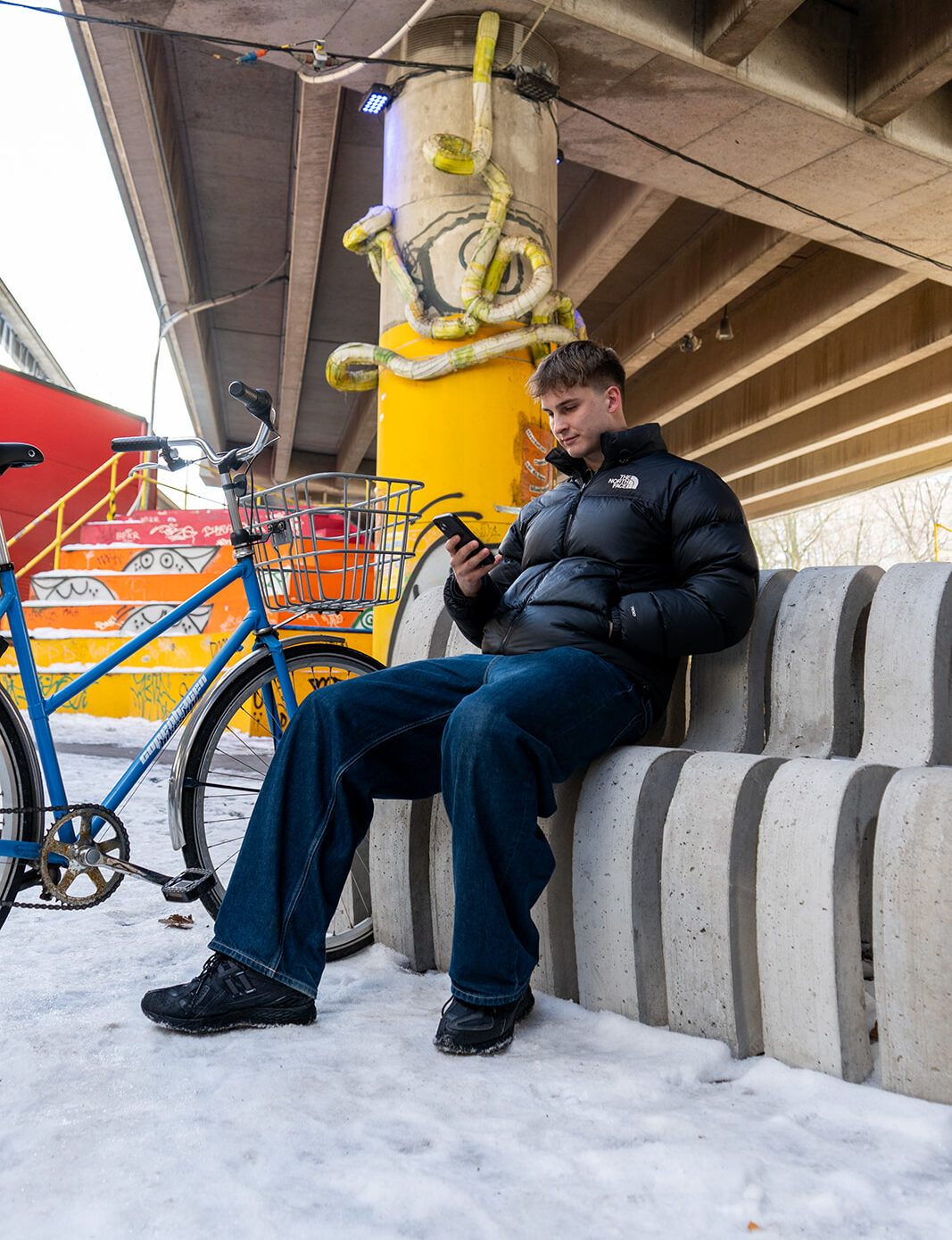
At Clean’s booth, visitors can also take a seat on a piece of urban furniture that serves as both a bench and a bike rack. It is made from recycled concrete mixed with sanitary waste, such as old toilets. The startup KONKRET is behind the bench. The company was founded by a group of students from the Copenhagen Business Academy.
Among other features, the bench is equipped with an NFC chip, which allows citizens to scan the bench with their phone and see exactly what waste the bench is made of and where the materials come from.
But beyond that, they see their participation in TECHBBQ as an invaluable opportunity to build networks and connect with customers—something that can otherwise be difficult as a startup.
“It’s incredibly beneficial to participate in TECHBBQ because there are so many bright minds who are eager to show interest and have a conversation. It provides a lot of valuable insights that we also depend on. Right now, we can only make one bench a day. We need more molds to ramp up our production, and that requires more funding,” explains Simon Lund, one of the founders of KONKRET.
KONKRET has displayed a sample of their bench under Bispeengbuen at Urban 13’s property.
Key exposure during the scaling-up phase
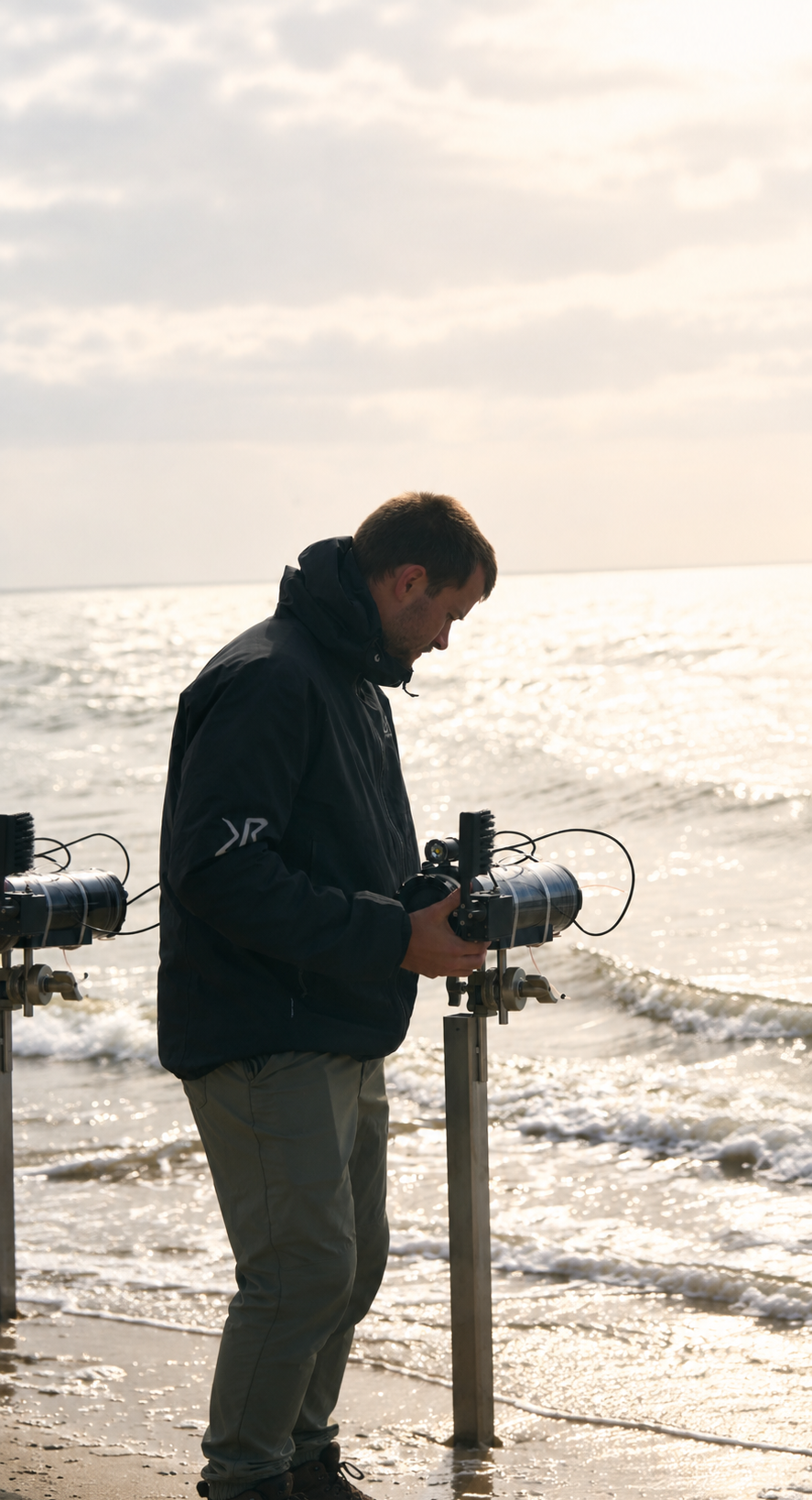
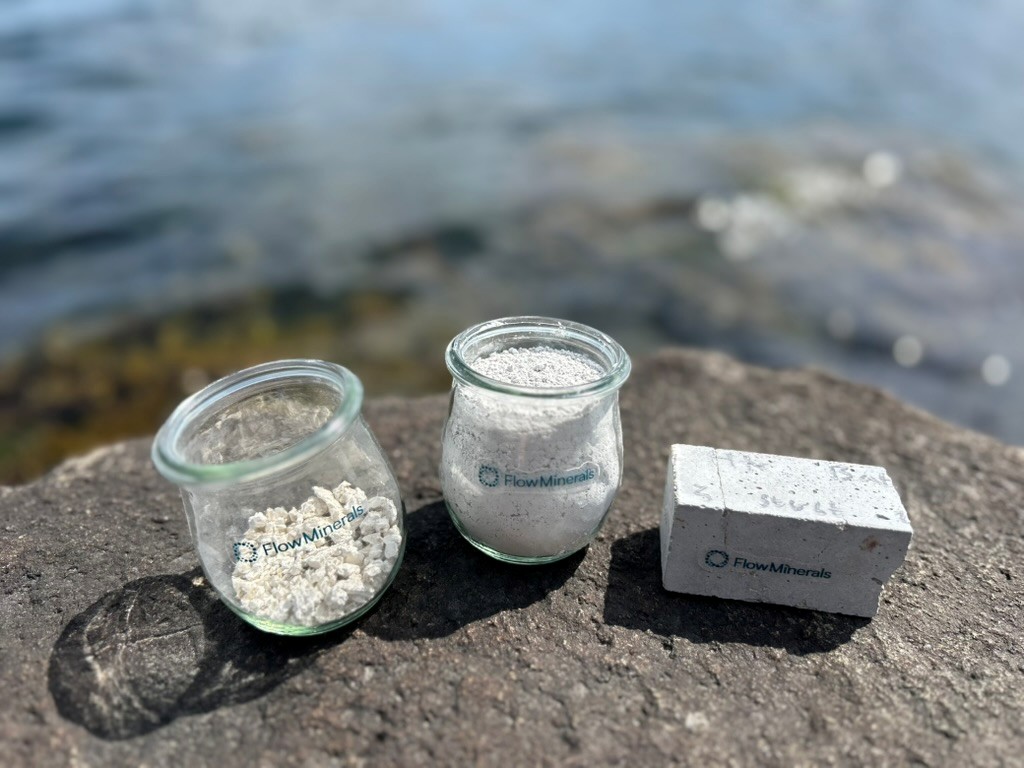
The same message comes from Esben Jessen, the founder of Flow Minerals, which specializes in extracting minerals from seawater. This is done through an electrochemical process in which calcium carbonate (lime) and magnesium hydroxide are precipitated out of the water. The lime can be used as a CO2-neutral filler in concrete, among other things. Magnesium is an extremely valuable and critical raw material for the EU, as it is currently imported exclusively from China. It is used, for example, in aluminum alloys.
Flow Minerals has now reached the point where it operates a small test facility in the Port of Copenhagen and is working to get a larger demonstration plant up and running on the west coast of Jutland.
“Clean gives us access to a lot of great opportunities, including TechBBQ. It allows us to showcase what we’re doing. The networking aspect is absolutely fantastic. We’ve only just gotten started, but the network has already connected us with a lot of great people and companies,” explains Esben Jessen.
Provides access to the work of many people
As a startup, you need to keep your finger on the pulse and know what’s happening in the market. And that’s where Clean and TechBBQ are fantastic door openers. They provide both exposure and networking opportunities, and at the same time, there’s a culture where people are eager to help one another.
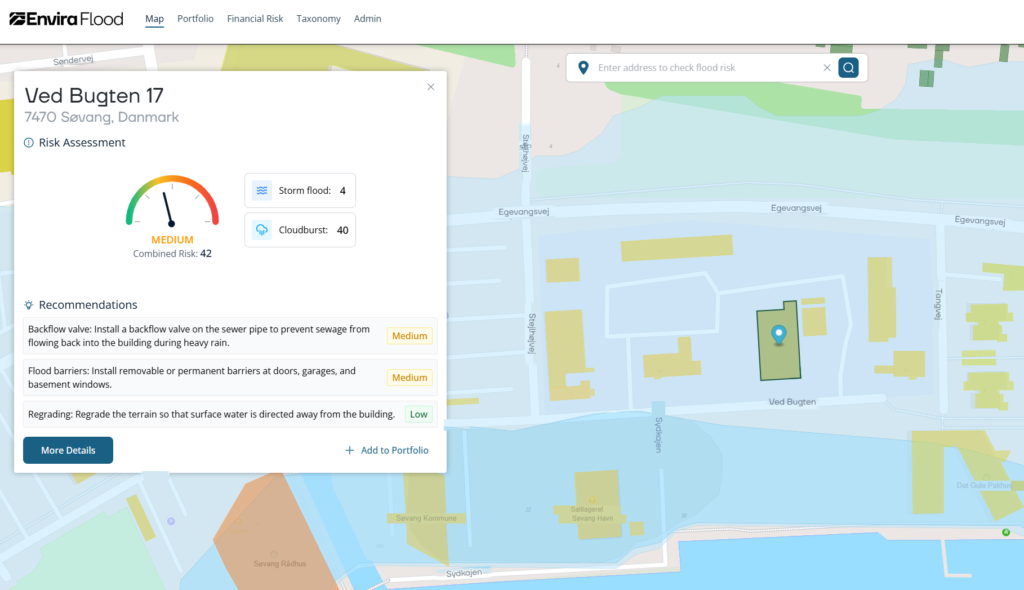
That’s according to Theodor Christensen, who comes from the fintech world and is the founder of the startup Envira, which combines machine learning with satellite imagery from the EU’s Copernicus program. This enables them to provide precise risk assessments for storm surges and flooding down to the address level for clients such as insurance companies.
Their technology isn’t just used for climate analysis. They’re also collaborating with the Danish Agency for Green Land Use and Water Environment to monitor nitrogen emissions in agriculture.
“Much of our core work lies in the ‘clean’ sector—that is, climate, environment, and water. We rely on the expertise of many people. Much of what we do, we couldn’t build on our own. We’re more in the business of putting components together. And we can access much of that knowledge through Clean,” he explains.
Overall, TechBBQ demonstrates how access to knowledge, networks, and potential customers can help green businesses move forward.
Clean’s activities at TechBBQ are co-financed by the European Union and are part of Virksomhedsudvikling Danmark.