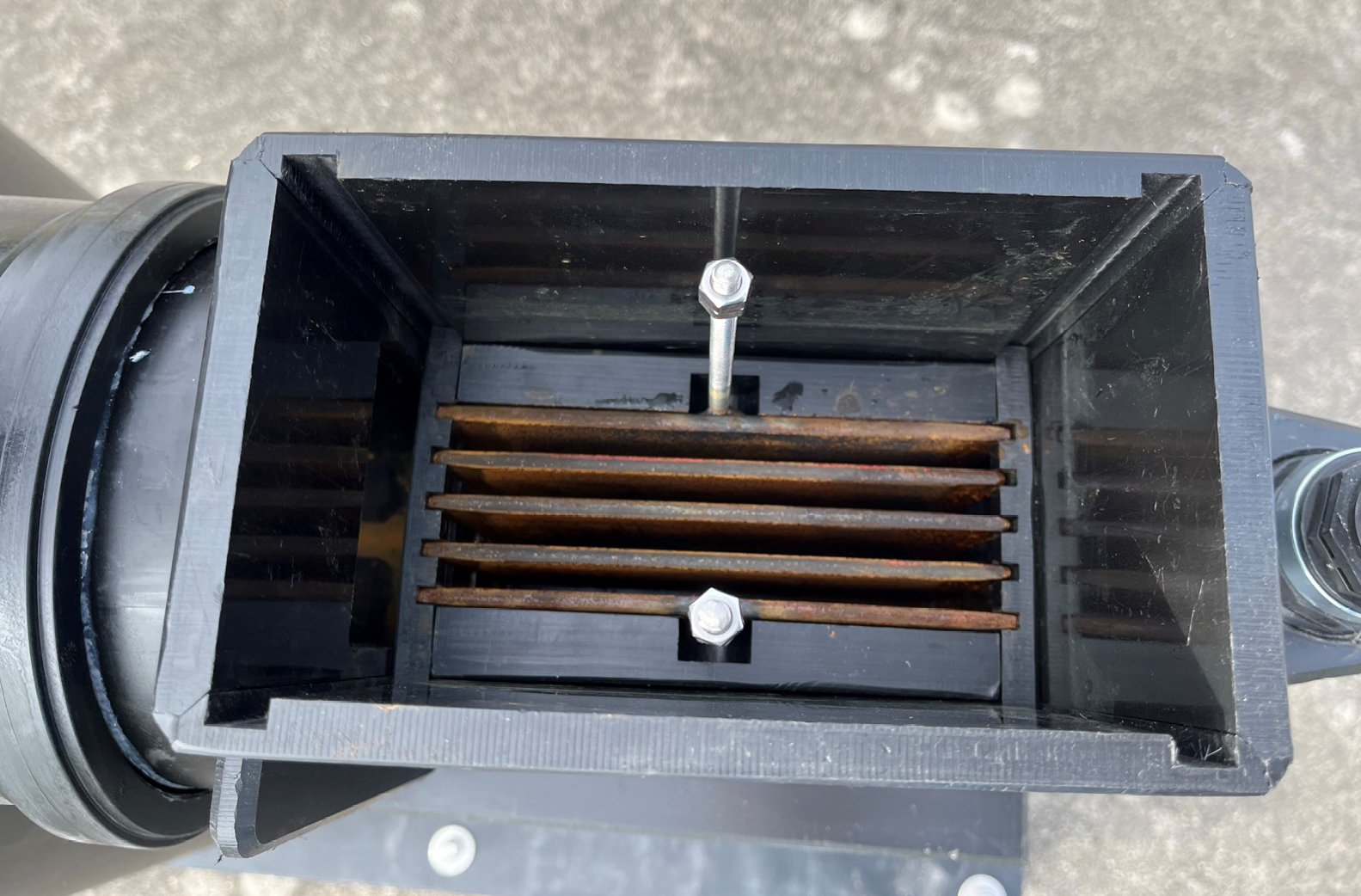
Hydrogen sulphide (H2S) is one of the key issues in wastewater discharge. H2S is highly toxic even at low concentrations and causes corrosion of concrete pipes. The problem occurs when wastewater is stagnant in pipes and H2S builds up before it is pumped to wastewater treatment plants. The problem is expected to increase in the future as more sewers are separated and wastewater treatment becomes more centralized.
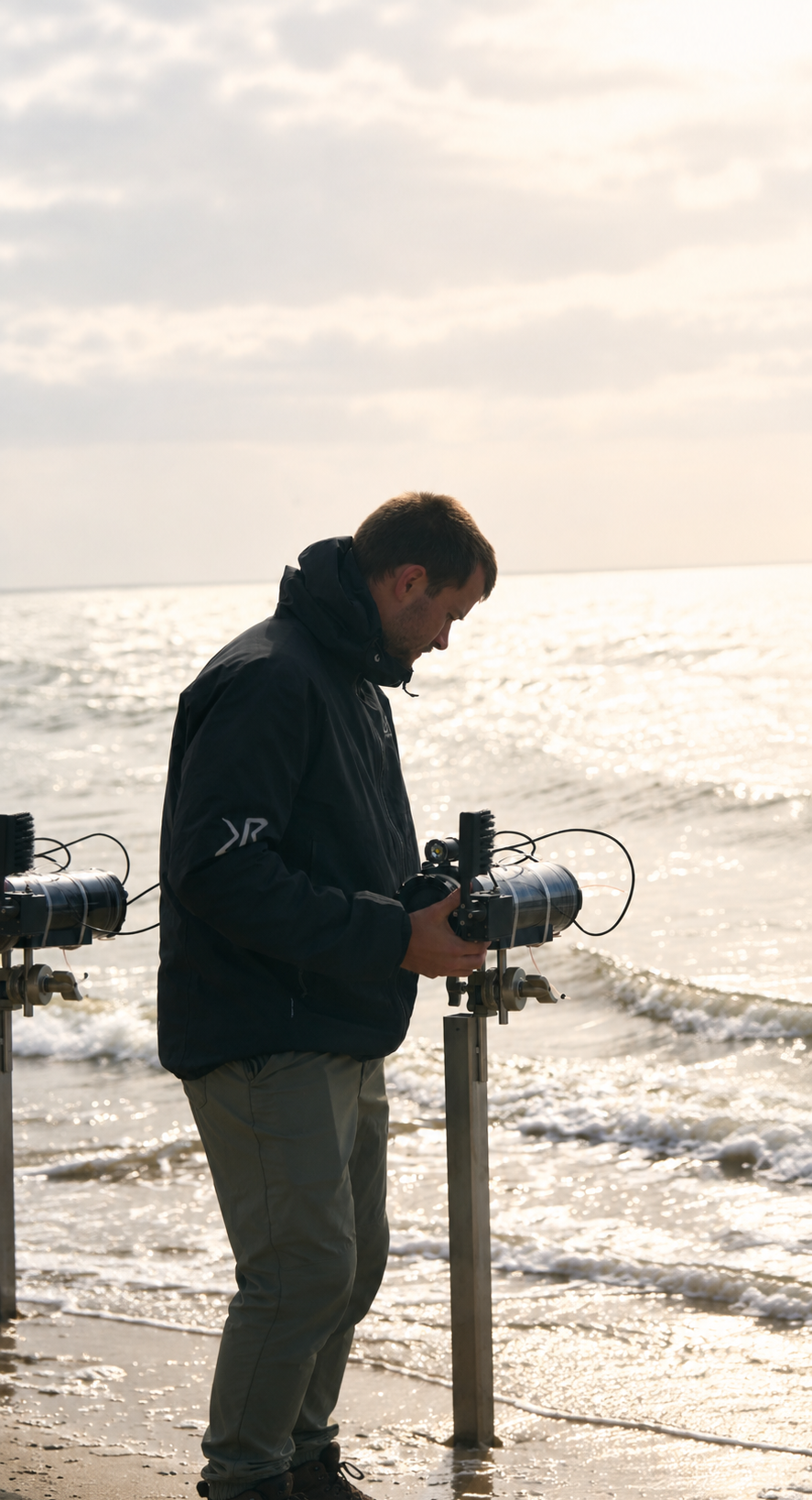
To solve the problem, this knowledge bridge project has developed a promising solution: electrocoagulation. Together with Sulfilogger, the company AL-2 Teknik has built a pilot plant located at Aalborg University and measured the concentration of H2S. Where various utilities together with the Danish Technological Institute and Aalborg University have contributed with sparring and knowledge to the plant.
The partnership has shown that electrocoagulation can remove hydrogen sulphide and that the solution is suitable for open-land wastewater pipes.
Cost-effective technology
Today, H2S formation is primarily reduced by dosing chemicals such as iron sulfate into the wastewater to precipitate the H2S formed as insoluble iron sulfide. The method has several negative effects: high costs, often necessary overdosing and strict requirements for occupational health and safety.
The knowledgebridge project has developed a sensor-controlled process that can minimize costs and contribute positively to the working environment.
In electrocoagulation, iron ions are released by applying voltage to iron electrodes without adding chemicals and the pH of the wastewater is not changed.
“It has been an efficient process, with experimental studies that have yielded good results for the design and large-scale testing of the plant. All in order to create a cost-effective technology solution” – Asbjørn Haaning, AAU
The collaboration gave AL-2 Teknik in-depth knowledge and valuable inputs
Throughout the process, AL-2 Teknik has sparred and gained theoretical insights from Aalborg University and the Danish Technological Institute that they would not have gained on their own. For smaller companies, participating in a knowledge bridge project is a great way to increase their knowledge level and improve their solutions.
“At AL-2 Teknik, we wouldn’t have the skills to go in-depth with the theoretical. It is very valuable for us as a small company that we have the opportunity to participate in development projects where we can increase our knowledge level” – Lasse Majgaard, Project Manager, AL-2 Teknik.
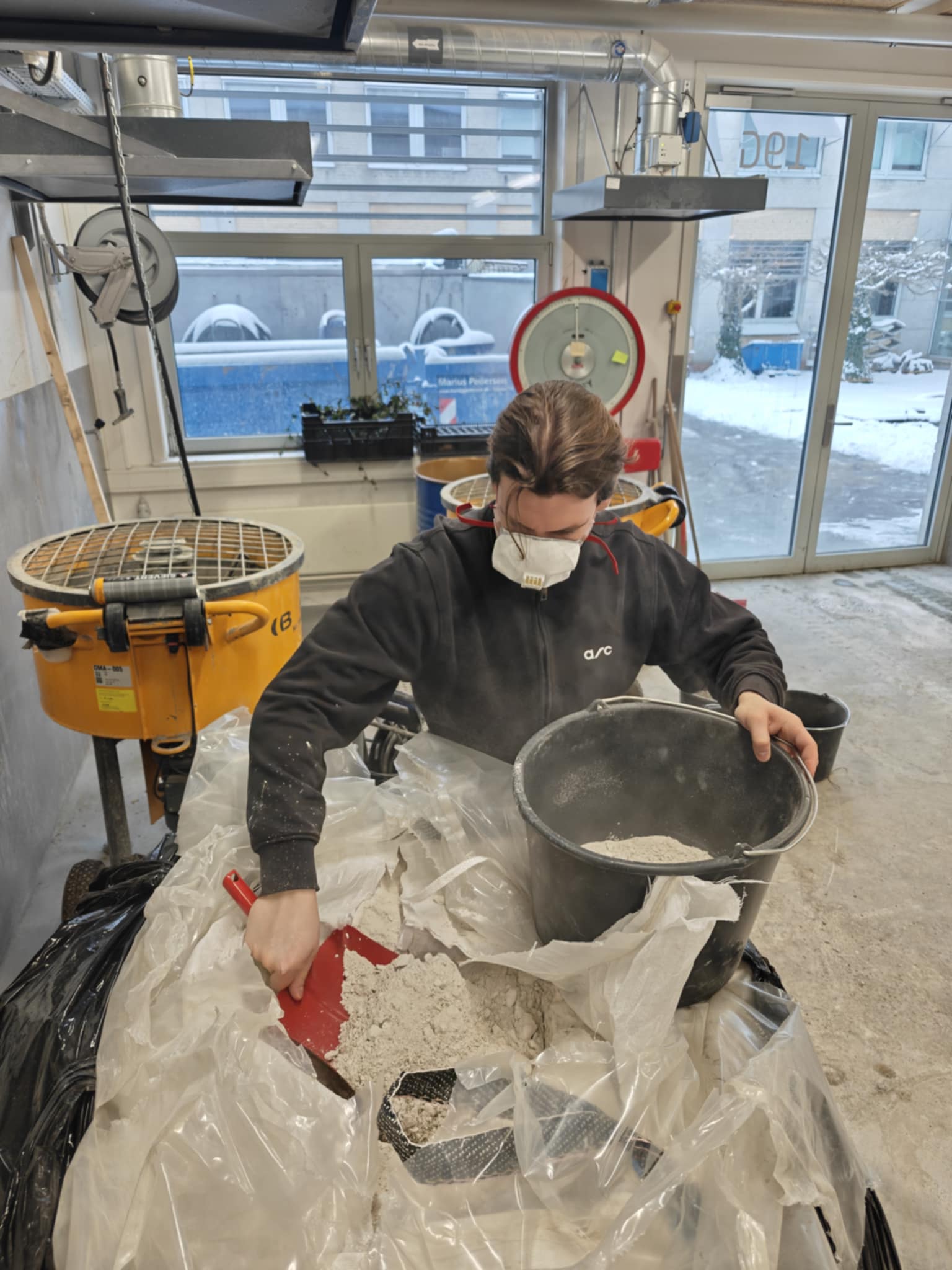
In addition to greater knowledge, AL-2 Teknik has also been able to get input on the practicalities of the prototype and pilot plant, which is now located at Aalborg University:
We have had projects in the past where we have collaborated with some of the partners, which has provided extra focus on the development of a pilot scale unit.
Moving forward
The project group’s results are promising, and they have therefore contacted several utilities that have challenges with hydrogen sulphide formation to participate in a larger project such as MUDP or VUDP, where the method can be further developed for commercial use. At the same time, Aalborg University will conduct student projects with the plant in the fall of 2023, so that more knowledge can be gained.
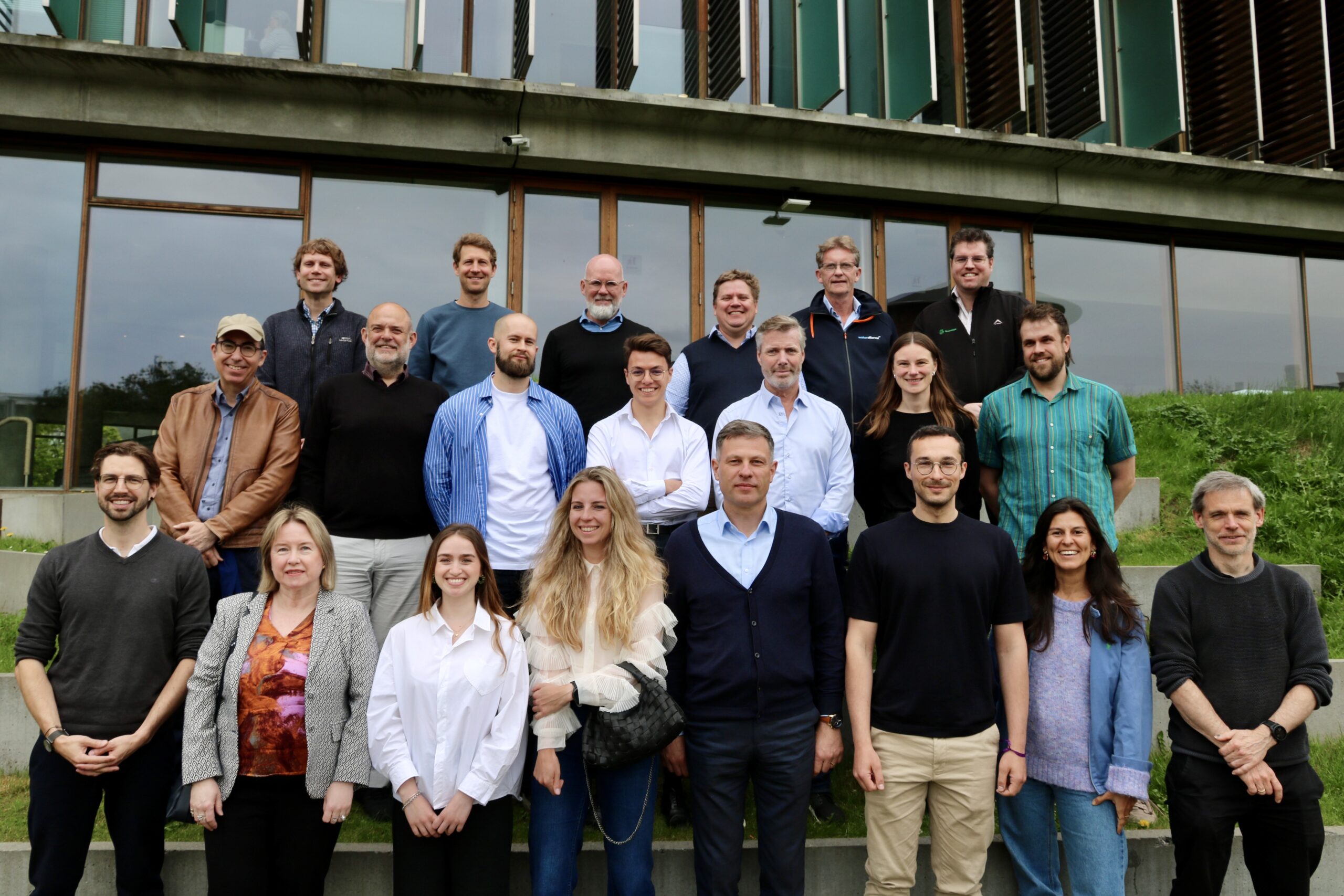
The Videnbro project took place from November 2021 to December 2022 and was granted DKK 480,000 by the Ministry of Higher Education and Science. The partners in the project were: AL-2 Teknik, Sulfilogger, Mariagerfjord Spildevand, Silkeborg Forsyning, Aalborg University and Danish Technological Institute.